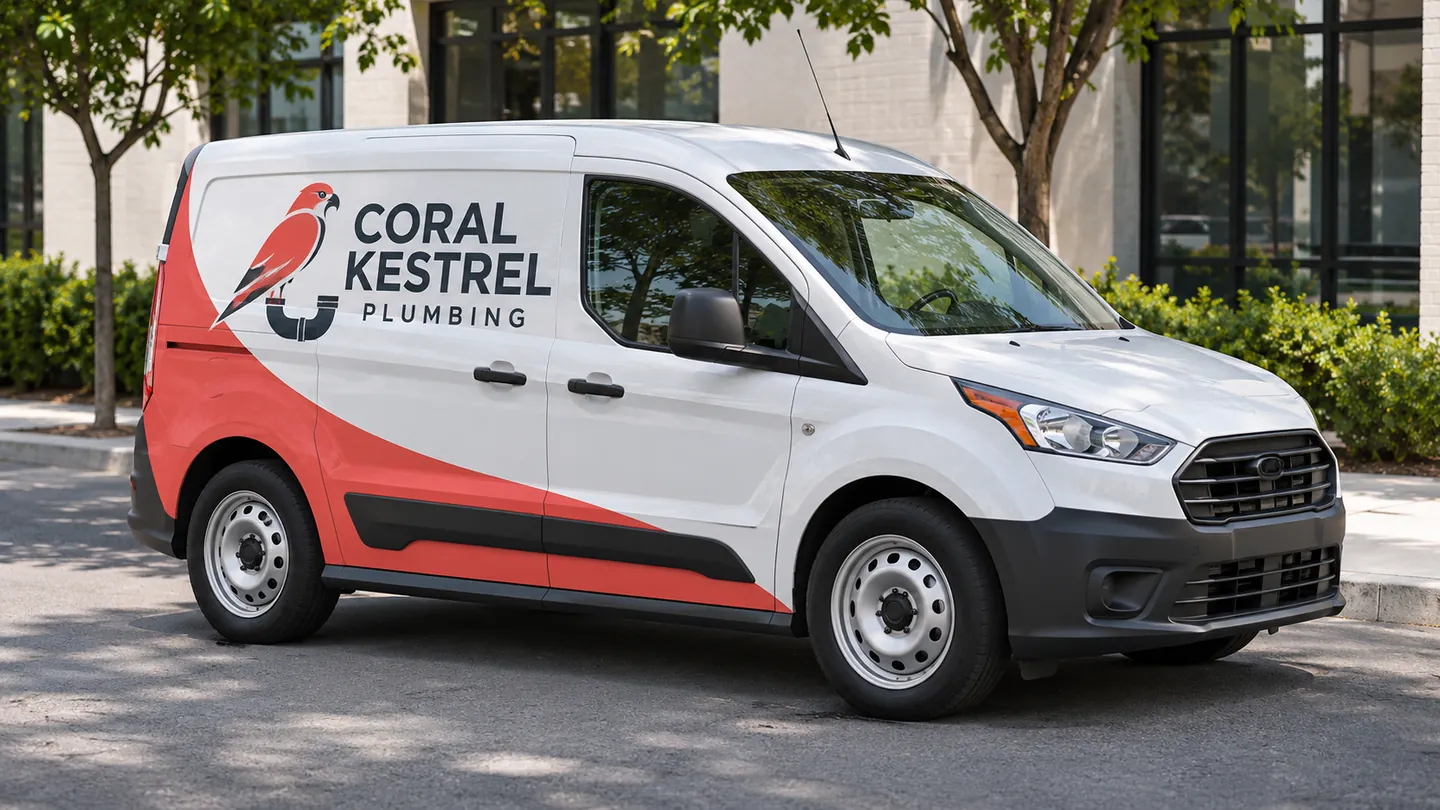
Confirm the written scope
Start with the vehicle count and configurations, included coverage, preparation assumptions and artwork responsibilities. Ask which items remain provisional and what could change after assessment. Clarify price exclusions and how revisions are approved. A scope describes what is being purchased; it should not depend entirely on an attractive image or an informal conversation. Keep the accepted proposal version where the people handling the vehicle and artwork can find it.
- Record the contact authorized to approve scope changes.
- Identify any old graphics or surface questions awaiting assessment.
Approve the vehicle-specific proof
Check the exact business wording and the layout on the correct body reference. Review both sides and the rear where included. Ask about coverage boundaries, interruptions and accepted exclusions. Keep design preferences separate from technical questions the supplier still needs to resolve. When a change is made, approve the revised proof rather than relying on a note saying to fix the phone number later. The released revision should be identifiable without interpreting a long email chain.
- Read all digits, website spelling and supplied identifiers carefully.
- Save the final proof together with its approval date.
Confirm arrangements and completion expectations
Discuss vehicle readiness, movement, access and the agreed installation window. A requested start or estimated scenario is not a reserved appointment. Ask what is required before arrival and what the handoff will include. At completion, retain the installed version, condition record and applicable care information. This gives the first job a useful history and helps later additions or repairs begin with the actual record rather than a memory of the initial conversation.
- Identify who drops off and receives the vehicle.
- Keep the issue-reporting route with the care and completion documents.
Keep a working record
Before you approve the next step
- Scope version accepted.
- Open assessment questions identified.
- Correct vehicle proof reviewed.
- Final artwork revision recorded.
- Installation arrangements confirmed.
- Handoff and care records retained.
Use the free planning tool to organize the details you can confirm and the questions still open.
Four questions before the next step
Does submitting an inquiry reserve a date?
No. Treat dates in an initial request as preferences until the supplier confirms the relevant scope, readiness and scheduling arrangements. Keep that confirmation with the project record.
Read the detailed guide: Understand the approvals before the first installation
Can one person approve everything?
They can if the business has given them the necessary authority and information. Make that responsibility explicit, especially where vehicle operations, brand approval and purchasing are handled by different people.
Read the detailed guide: Understand the approvals before the first installation
Can I request help with incomplete artwork?
Yes. Describe what files you have and what you need. The supplier can discuss preparation or design work. A readiness worksheet is not an artwork acceptance standard or a requirement to ask a question.
Read the detailed guide: Decide what to gather before your first wrap inquiry
Should I choose the exact film before contacting a shop?
You can state preferences, but the proposed material should be reviewed against the actual surface, intended coverage and use. Ask the supplier to specify and explain the product system in the proposal.
Read the detailed guide: Decide what to gather before your first wrap inquiry
Original technical sources
Use the linked publisher's current instructions for the exact product and vehicle. This planning guide does not replace its application, safety or warranty requirements.