Gather the original sources where available
Collect the logo files supplied by the designer, any brand standards and approved wording. Preserve originals and make a working copy instead of replacing files with screenshots. Record file names and where they came from. If you have only a small image or a logo embedded in a document, say so. The supplier needs that limitation to scope preparation work, rather than discovering it after the business assumes the artwork is complete.
- Identify which logo version the company currently uses.
- Keep color references and source artwork together when available.
Check authority and content separately
Confirm that your business is authorized to use the supplied logos, images and wording. Identify any third-party artwork whose permissions need checking. Then verify the business text, website and contact details in a plain record. A technically usable file can still contain the wrong wording, and an approved logo can still need preparation. Keep those decisions distinct so the person reviewing the brand does not inadvertently approve an unknown production detail.
- Record the approver for wording and the contact for file questions.
- Flag fonts or linked images that may be missing from the supplied package.
Ask for the production requirement before release
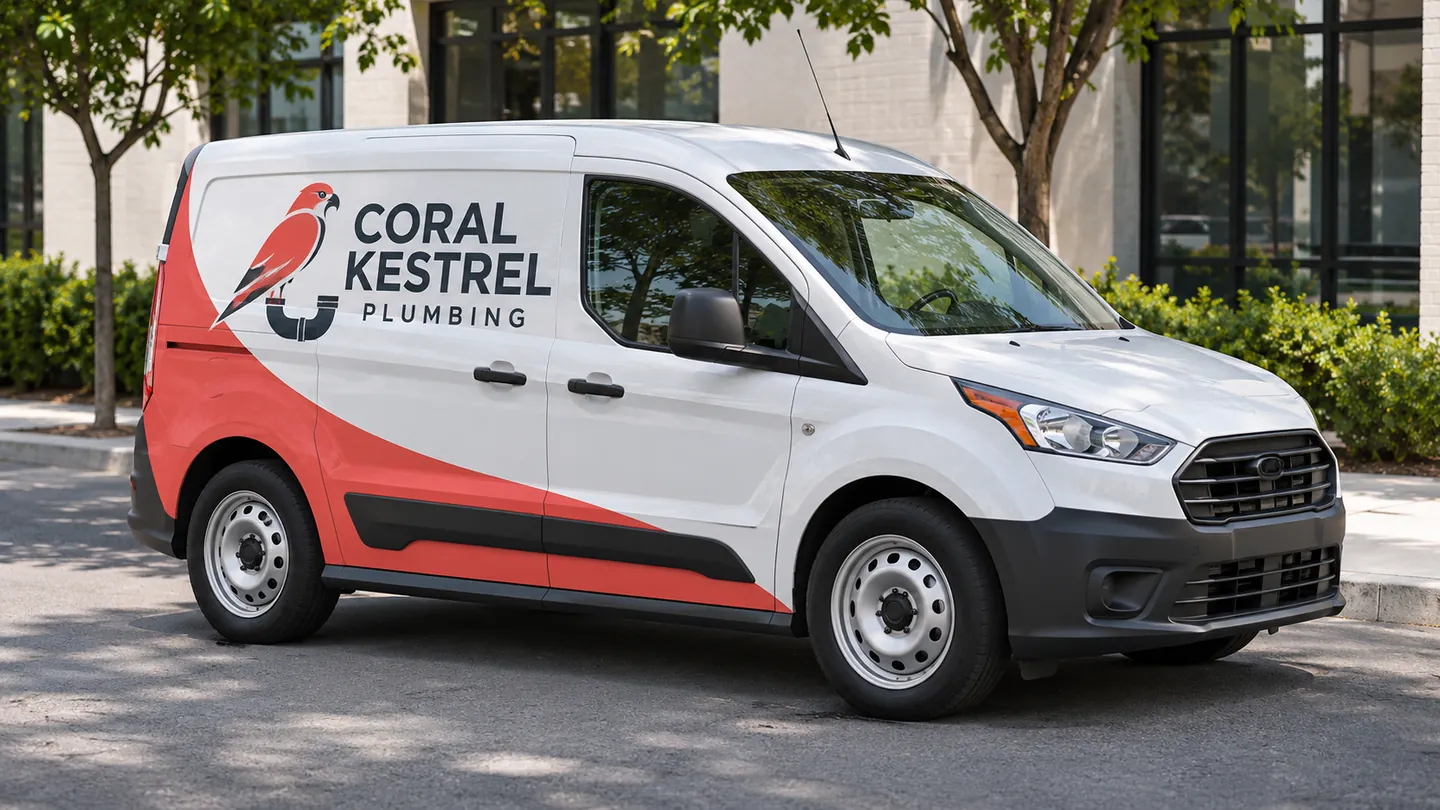
Give the supplier the vehicle reference and intended coverage with the file inventory. Ask which formats, revisions or additional assets are required for this project. A concept or positioning preview helps discuss appearance but should be clearly separated from final production artwork. When the proof is ready, retain its revision and approval record. Keep the final handoff organized so a later additional vehicle or replacement panel begins with traceable files rather than another search through email attachments.
- Keep concept, draft and approved production folders clearly labeled.
- Record any preparation work included or excluded from the proposal.
Keep a working record
Before you approve the next step
- Original brand files collected.
- Current logo version identified.
- Permissions checked.
- Exact wording verified.
- Missing assets listed.
- Supplier requirements and final proof reference retained.
Use the free planning tool to organize the details you can confirm and the questions still open.
Four questions before the next step
Is a PDF always a vector logo?
No. A PDF can contain different kinds of artwork. Tell the provider what you have and ask them to inspect its suitability; the file extension alone does not establish usable vector content.
Read the detailed guide: Hand over brand files without guessing what is print-ready
Should I enlarge a small logo before sending it?
Keep the original file and explain its source. Enlarging an image does not establish that the original artwork has the information needed for production. Ask what preparation or replacement source is required.
Read the detailed guide: Hand over brand files without guessing what is print-ready
Can I request help with incomplete artwork?
Yes. Describe what files you have and what you need. The supplier can discuss preparation or design work. A readiness worksheet is not an artwork acceptance standard or a requirement to ask a question.
Read the detailed guide: Decide what to gather before your first wrap inquiry
Should I choose the exact film before contacting a shop?
You can state preferences, but the proposed material should be reviewed against the actual surface, intended coverage and use. Ask the supplier to specify and explain the product system in the proposal.
Read the detailed guide: Decide what to gather before your first wrap inquiry
Original technical sources
Use the linked publisher's current instructions for the exact product and vehicle. This planning guide does not replace its application, safety or warranty requirements.